Your Pharmacist Is One Message Away: What On-Demand Pharmacy Chat Can (and Legally Cannot) Do for You
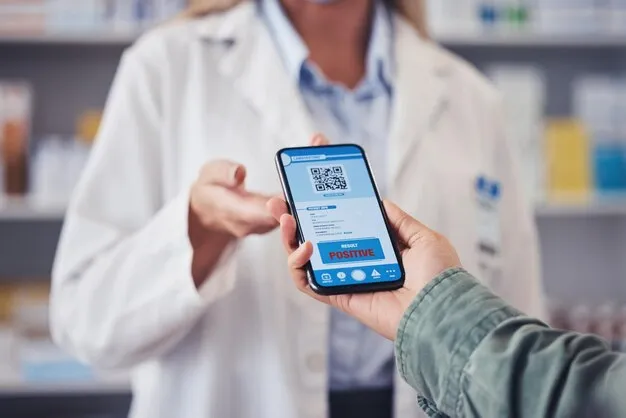
Photo: pharmacist using smartphone to answer patient message at pharmacy counter, via img.freepik.com
For decades, getting a medication question answered meant a phone call that ended in hold music, or a trip to the pharmacy counter where three other customers were already waiting. That dynamic is shifting. A growing number of pharmacy chains, telehealth platforms, and mail-order services now offer direct chat with licensed pharmacists — often with response times measured in minutes rather than days.
At RxConnect Care, we have watched this channel evolve from a customer-service gimmick into a genuine clinical touchpoint. But patients frequently overestimate or underestimate what a pharmacist can actually do through a text window. Understanding both sides of that line is the difference between a quick resolution and a wasted afternoon.
What a Pharmacist Can Realistically Handle in Chat
Pharmacists are among the most accessible clinicians in the American healthcare system, and messaging platforms have widened that access considerably. Through a secure chat, a pharmacist can typically:
- Explain how and when to take a medication, including food, timing, and crushing or splitting considerations
- Flag drug interactions between prescriptions, over-the-counter products, and supplements
- Clarify side effects and distinguish expected reactions from warning signs
- Advise on missed doses for most maintenance medications
- Help troubleshoot a rejected claim or prior authorization, and route you to the right next step
- Recommend OTC options based on your current medication list
In many cases, a pharmacist can also initiate a prescription or adjust certain non-controlled medications under collaborative practice agreements, depending on state law. That scope varies widely by state, which is why the same chat question may produce different outcomes in Texas versus Oregon.
Where the Legal Limits Fall
Chat-based pharmacy advice is counseling, not diagnosis. A pharmacist cannot examine you, order labs, or formally diagnose a condition through a message thread. If your question shifts from "Can I take this with my blood pressure pill?" to "Why does my chest hurt when I climb stairs?" — expect the conversation to end with a referral to a physician, urgent care, or emergency services.
Controlled substances are another bright line. Pharmacists will not troubleshoot dosing questions for opioids, stimulants, or benzodiazepines in a way that facilitates use outside a prescription, and many platforms route these queries to a phone call or the prescriber directly. Expect documentation, too: legitimate platforms log chats into your medication record, which protects you but also means the conversation is part of your chart.
How the Major Platforms Compare
- National chain apps (CVS, Walgreens): Offer pharmacist chat tied to your fill history, which makes interaction-checking seamless. Response times vary by store staffing.
- Mail-order and digital pharmacies (Amazon Pharmacy, Capsule, and similar): Chat is often the primary support channel, with pharmacists who can see your full order history. Strengths are convenience and refill coordination; weaknesses are limited in-person escalation.
- Telehealth platforms with pharmacy components: Messaging may connect you to pharmacists embedded in the care team, which shortens the loop between a new prescription and a question about it.
- Employer or health plan portals: Some plans now bundle pharmacist messaging as a wellness benefit, though the pharmacist may not have visibility into fills done at outside pharmacies.
Getting a Fast, Useful Answer
The single biggest determinant of chat quality is how the question is asked. "Is this normal?" invites a generic reply. Instead, include the medication name, dose, when you took it, and what you are experiencing. A message like "I took 10 mg lisinopril at 8 a.m., missed my evening dose, should I double up tomorrow?" can be answered in one exchange.
Also know when to skip chat entirely. Symptoms involving breathing difficulty, chest pain, sudden weakness, severe allergic reactions, or thoughts of self-harm belong in an emergency room or on a crisis line — not in a message queue that may take twenty minutes to triage.
A New Default for Medication Questions
On-demand pharmacist chat will not replace your prescriber, and it should not. What it does replace is the guesswork — the late-night Googling, the abandoned questions at the counter, the interactions nobody caught. Used well, it turns your medication list from a static pile of bottles into something a clinician is actively helping you manage. That is a quiet but meaningful upgrade in American self-care.