The Invisible Countdown: Understanding Prescription Authorization Windows—and How to Ensure You Never Lose Access to Your Medication
A prescription arrives at your pharmacy. Your physician has done their part. The medication has been authorized. From the patient's perspective, the process is essentially complete—it is simply a matter of picking up the medication when it is ready.
But for a significant number of patients, particularly those on insurance-covered medications requiring prior authorization, what feels like the finish line is actually the start of a ticking clock. That clock, once it runs out, can force patients back to the beginning of a process that may have taken weeks to complete. Understanding why these windows exist—and how to work within them—is one of the most practical things a patient can do to protect continuity of care.
Why Authorization Windows Exist at All
Prior authorization (PA) is a requirement imposed by insurance plans that obligates a prescriber to obtain insurer approval before a specific medication will be covered. The process involves clinical documentation, medical necessity justification, and sometimes peer-to-peer review between your physician and the insurer's medical staff.
Once approved, that authorization is not open-ended. Insurers assign a validity period—typically expressed as a specific date range—during which the prescription must be filled. The rationale offered by insurers is that authorization is granted based on a patient's condition at a specific point in time. If that condition changes, or if significant time passes, the insurer reserves the right to reassess.
In practice, these windows vary considerably. Some authorizations remain valid for 72 hours. Others extend for 30 days. Specialty medications may carry authorization periods of 90 days or longer, but they also tend to involve more complex logistics that can consume that time quickly. The specific window depends on the drug, the insurer, the plan type, and in some cases the specific coverage tier.
What Happens When the Window Closes
Missing an authorization window does not simply mean a short delay. When a prescription is presented for fill after the authorization has lapsed, the pharmacy's claims system returns a rejection. The medication cannot be dispensed under insurance until a new authorization is obtained.
For a patient managing a non-urgent condition, that delay may be frustrating but manageable. For someone managing a condition that requires uninterrupted medication—such as epilepsy, certain psychiatric conditions, anticoagulation therapy, or immunosuppressive treatment following organ transplantation—even a brief interruption carries meaningful clinical risk.
Consider the situation of a 33-year-old woman in Chicago whose psychiatrist prescribed a medication for treatment-resistant depression. The prior authorization process took eleven days. When the authorization was finally granted, she received no notification. Life intervened, and she did not attempt to fill the prescription for another three weeks. By then, the authorization had expired. The process had to restart, and she experienced a relapse of symptoms during the intervening gap.
This outcome was not the result of negligence by her physician or her pharmacy. It was the result of a system that operates on timelines patients are rarely informed about in advance.
The Technical and Legal Framework Behind These Deadlines
Authorization expiration is not arbitrary. Insurers are permitted under federal and state regulations to impose these windows as part of their utilization management programs. The Centers for Medicare and Medicaid Services (CMS) sets certain standards for Medicare Advantage and Part D plans, but commercial plan rules vary widely by state and by insurer.
From a technical standpoint, the authorization approval generates a code that the pharmacy's claims system validates at the point of dispensing. That code carries an embedded expiration date. When the date passes, the code becomes invalid in the system, and the claim fails regardless of the clinical circumstances.
Some states have enacted legislation requiring insurers to honor prior authorizations for a minimum period—California, for instance, requires that approved PAs remain valid for at least 12 months for chronic conditions under certain plan types. However, these protections are inconsistent across states, and patients in many jurisdictions have no such guarantee.
Building a Personal Authorization Tracking System
The most effective protection against authorization expiration is a proactive tracking system. The following steps form the foundation of a reliable approach.
Request written confirmation of your authorization. When your physician's office notifies you that a prior authorization has been approved, ask for written confirmation that includes the specific approval date, the authorization number, and the expiration date. Do not rely on verbal confirmation alone.
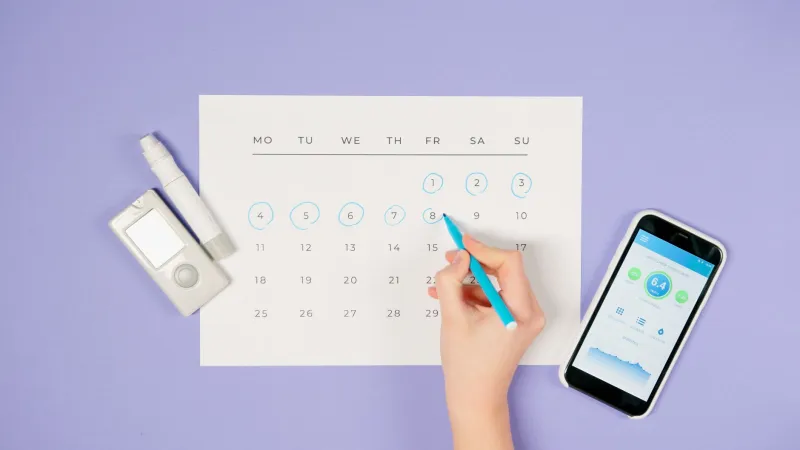
Set a fill reminder at least one week before expiration. If your authorization window is 30 days, set a calendar reminder for day 21. This gives you time to fill the prescription and to address any pharmacy delays without risking expiration.
Confirm authorization status before visiting the pharmacy. Call your pharmacy in advance and ask them to verify that the authorization on file is current and valid before you make the trip. This takes approximately three minutes and can prevent an entirely wasted visit.
Communicate early if your circumstances change. If you are unable to fill a prescription within the authorized window due to illness, travel, or other factors, contact your prescriber's office before the authorization expires. In many cases, the insurer will grant an extension if the request is made proactively and with appropriate documentation.
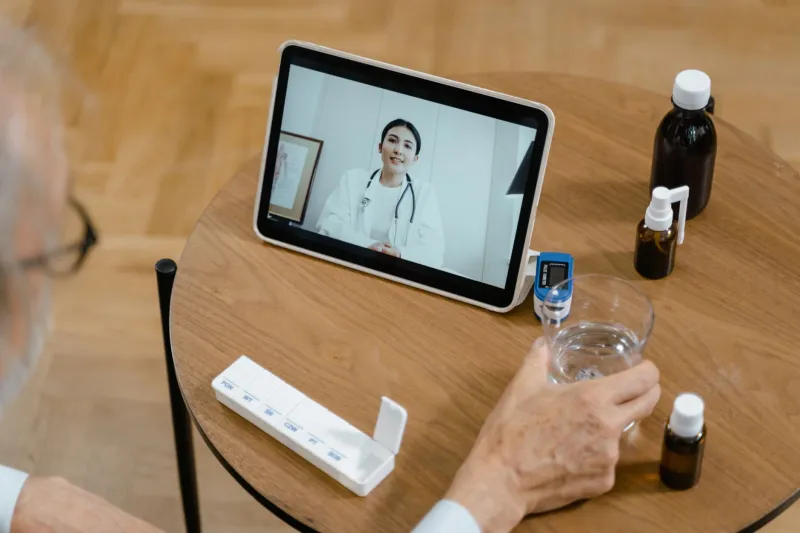
Use integrated telehealth platforms to streamline communication. One structural advantage of platforms like RxConnect Care is that prescription transmission, authorization tracking, and pharmacy coordination occur within a connected system. When your telehealth provider sends a prescription, our care team can flag time-sensitive authorizations and ensure you receive proactive reminders—rather than discovering an expiration after the fact.
When the Window Has Already Closed
If you discover that your authorization has expired before you were able to fill your prescription, do not delay in contacting your prescriber's office. Explain the circumstances clearly and request that the office resubmit the prior authorization with a note of urgency. If your condition is acute or if an interruption in medication poses a clinical risk, ask your physician to contact the insurer directly for an expedited review.
In emergency circumstances, many pharmacies can dispense a limited emergency supply—typically a 72-hour quantity—of certain medications while authorization is being reprocessed. This option is not universally available and depends on state law, the specific medication, and the pharmacy's policies. Ask your pharmacist explicitly whether an emergency supply is possible.
A System That Works Against the Patient—Unless You Know the Rules
Prior authorization windows are a structural feature of the American insurance system, and they are unlikely to disappear in the near term. What patients can do is treat these timelines with the same seriousness they apply to any other aspect of their medical care.
At RxConnect Care, our care coordinators are available to help patients understand the authorization status of their prescriptions, set appropriate reminders, and escalate concerns when timelines are at risk. The goal is straightforward: ensuring that the work your physician has done on your behalf translates into uninterrupted access to the treatment you need.