Five Refill Strategies That Quietly Trim Hundreds From Your Annual Prescription Bill
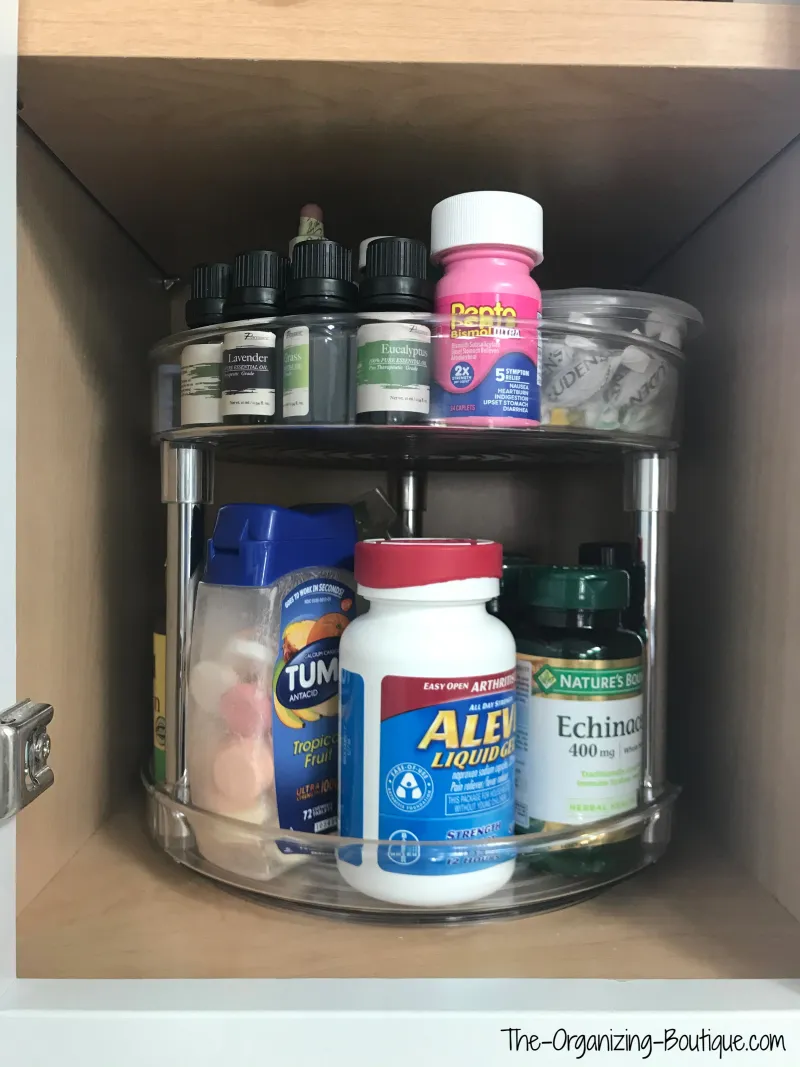
Photo: organized pill organizer with prescription bottles and calendar on kitchen counter, via www.the-organizing-boutique.com
Prescription spending in the United States is often treated as a fixed cost — a number that arrives at the counter and gets paid because it must. In practice, the price you pay is shaped heavily by refill behavior: when you fill, how much you fill at once, and whether insurance is involved at all. Below are five strategies, ranked roughly by how often patients overlook them, with realistic dollar figures attached.
1. Switch Maintenance Medications to 90-Day Fills
The single most reliable saving for anyone on a daily maintenance drug. A 30-day fill of a common generic like atorvastatin might carry a $10 copay; a 90-day fill of the same drug frequently costs $10–$20 total. On three maintenance medications, moving from 30-day to 90-day fills through a mail-order or retail pharmacy can save $150–$400 per year in copays alone — and cut three trips to the pharmacy down to one.
Pitfall: 90-day fills usually must come from a plan-preferred mail-order pharmacy or a retail pharmacy in your plan's network. Filling 90 days at an out-of-network pharmacy can void the discount entirely. Also avoid stockpiling more than you can safely use if your dose changes mid-supply.
2. Enroll in a Medication Sync Program
Synchronization programs align all your chronic medications to refill on the same day each month. The clinical benefit is adherence; the financial benefit is subtler — fewer partial fills, fewer abandoned prescriptions (which you may still owe for), and fewer urgent one-off fills at whatever pharmacy happens to be nearby at a worse price.
Real dollars: Patients who abandon a $45 prescription because they forgot it at the pharmacy lose the full amount. Over a year, sync programs routinely prevent one or two of these events.
3. Price Shop Direct-to-Patient Without Insurance
Here is the counterintuitive one: sometimes cash beats copay. Discount programs like Mark Cuban Cost Plus Drug Company, Costco's pharmacy (which does not require membership to use), and GoodRx-style coupons routinely price generics below insured copays, especially if you have a high-deductible plan.
Example: A patient paying a $35 copay for a generic while their deductible resets each January might pay $12 cash for the same 90-day supply at a direct-to-patient pharmacy. Multiply that across a year and the gap is $200–$300.
Pitfall: Cash prices do not count toward your deductible or out-of-pocket maximum. If you expect to hit your deductible anyway, insured pricing may win in the long run. Run the math both ways.
4. Use Manufacturer Savings Programs — Before the Copay Card Expires
For brand-name drugs, manufacturer copay cards can reduce a $150 copay to $10–$25. What patients miss is that these cards typically expire after 12 months, are void for anyone with government insurance (Medicare and Medicaid prohibit their use), and sometimes have annual maximums buried in the terms.
Real dollars: A patient on a branded drug who sets a calendar reminder to renew their copay card avoids a single month at full price — often a $125 swing. Patients on Medicare cannot use these cards but may qualify for the new $2,000 annual out-of-pocket cap under the Inflation Reduction Act, which changes the calculus entirely.
5. Time Big Refills Around Your Deductible Reset
If you have a calendar-year plan and you have already met your deductible, December is the cheapest month of the year to fill expensive medications. A specialty or brand-name drug that costs $400 out of pocket in February may cost your plan-negotiated copay — sometimes $0–$30 — in late December, because your deductible is already satisfied.
Example: For a patient on a $200/month brand medication with a $1,500 deductible, filling a 90-day supply in late December rather than mid-January can shift roughly $400 in costs from patient to plan for that cycle.
Pitfall: Do not stockpile beyond a reasonable supply or refill early in ways that violate your plan's refill-interval rules — most plans will simply reject the claim, and some controlled substances have hard legal limits on early fills.
Putting It Together
None of these strategies requires a new prescription or a fight with your insurer — they are mostly about timing, quantity, and asking the right questions at the counter or in your pharmacy app. Stacked together, a typical patient on two or three maintenance medications can realistically keep $300–$600 per year in their pocket. That is not a coupon trick; it is simply treating your refill calendar with the same attention you give the rest of your budget.