Follow the Money: How Drug Wholesalers and PBM Rebates Quietly Inflate What You Pay at the Pharmacy Counter

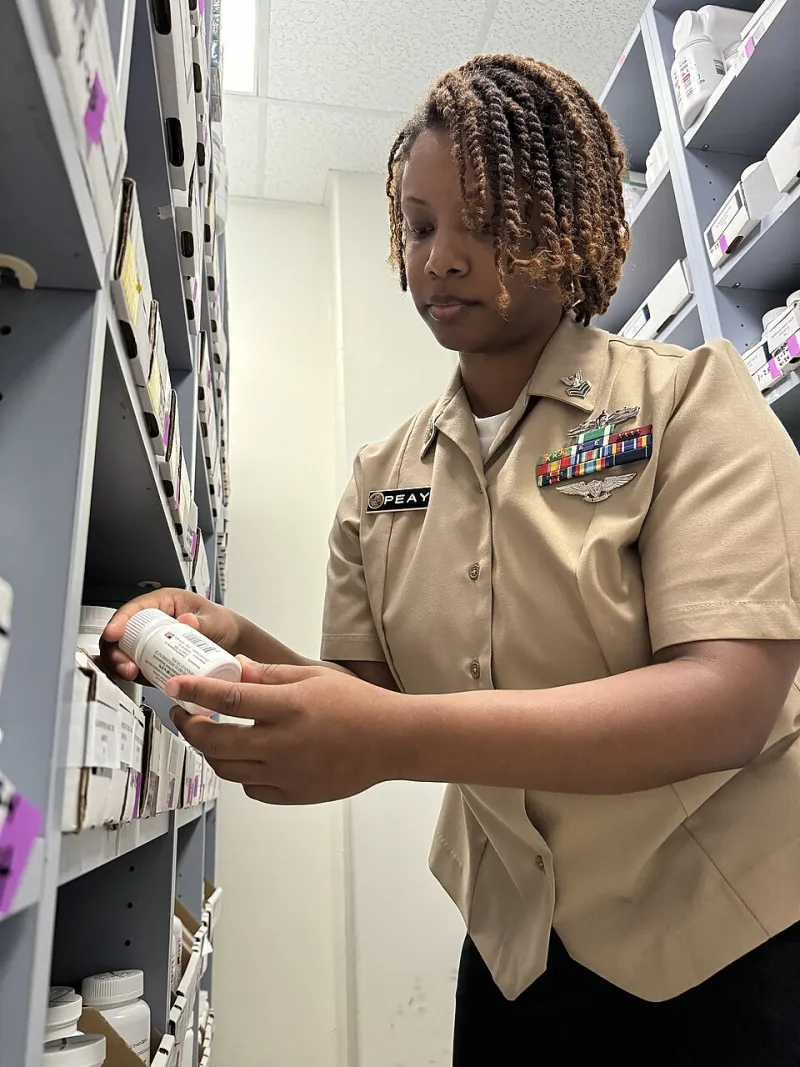
Photo: pharmacy prescription cost breakdown receipt medication pricing, via img.freepik.com
When you hand over your insurance card at the pharmacy counter and receive a bill that feels disproportionately high, it is tempting to assume your insurer or your pharmacist is to blame. In reality, the explanation lies much further upstream—in a labyrinthine drug supply chain that most patients never see and that almost no one in the industry is eager to explain clearly.
The price printed on your pharmacy receipt is not the result of a single calculation. It is the cumulative product of negotiations, rebates, markups, and contractual agreements forged between at least four separate parties: the drug manufacturer, the wholesale distributor, the pharmacy benefit manager (PBM), and the retail pharmacy. Each of these entities extracts value from the transaction, and in most cases, those extractions are passed—at least partially—onto you.
The Invisible Middlemen in Every Prescription
Most Americans are vaguely familiar with drug manufacturers and retail pharmacies. Fewer understand the roles played by wholesale distributors and PBMs, despite the fact that these two intermediaries exert enormous influence over what medications cost.
Wholesale distributors—companies such as McKesson, AmerisourceBergen, and Cardinal Health—purchase medications in bulk from manufacturers and resell them to pharmacies. They do not set the manufacturer's list price, but they do apply their own markup before the drug reaches the pharmacy shelf. This markup is typically expressed as a percentage of the drug's wholesale acquisition cost (WAC), a benchmark price set by the manufacturer that already reflects its own margin calculations.
PBMs operate differently but with comparable financial impact. These firms—Express Scripts, CVS Caremark, and OptumRx are among the largest—act as intermediaries between insurance plans and pharmacies. They negotiate drug pricing on behalf of insurers, establish formularies that determine which medications are covered, and manage pharmacy networks. Crucially, PBMs also negotiate rebates directly with drug manufacturers. These rebates are paid after the point of sale and are theoretically intended to lower costs for insurance plans. However, the extent to which those savings are passed on to patients at the counter has long been a subject of intense scrutiny and regulatory debate.
Why the Same Pill Can Cost $50 at One Pharmacy and $200 at Another
This is not a hypothetical scenario. Price disparities of this magnitude for identical medications are well-documented and affect millions of Americans every year. The variation stems from several interconnected factors.
First, PBMs negotiate different reimbursement rates with different pharmacies. A large chain pharmacy with substantial negotiating leverage may secure more favorable terms than an independent community pharmacy, and those terms directly influence what patients are charged under a given insurance plan.
Second, formulary placement matters enormously. A PBM may place a medication in a higher cost-sharing tier not because it is clinically inferior, but because the manufacturer of a competing drug offered a larger rebate. The patient, unaware of this arrangement, simply pays more for the medication their physician prescribed.
Third, the concept of a "spread" introduces another layer of cost inflation. In spread pricing arrangements, a PBM charges an insurance plan a higher rate for a drug than it actually reimburses the pharmacy, pocketing the difference. While this practice has faced increasing legislative scrutiny, it remains legal in many states and continues to affect what patients pay indirectly through higher premiums and cost-sharing requirements.
Decoding Your Pharmacy Receipt
The information printed on a standard pharmacy receipt is limited by design. What patients typically see is the total amount charged, the amount covered by insurance, and their final copay or coinsurance figure. What they do not see is the negotiated rate between the PBM and the pharmacy, the rebate the manufacturer paid the PBM, or the spread the PBM may have retained.
However, there are several data points worth scrutinizing. If your receipt shows a "usual and customary" price that is significantly higher than what you actually paid, this figure may have been artificially inflated to justify a larger spread calculation. Additionally, if your copay appears higher than the cash price for a generic equivalent, you may be caught in a practice known as a "clawback," in which the pharmacy is contractually required to charge you the copay amount even when paying out-of-pocket would cost less.
Federal regulations enacted in recent years have taken steps to address clawbacks, but implementation has been uneven, and patients should remain vigilant.
Tools That Can Help You Pay Less
Despite the opacity of this system, several legitimate tools exist to help patients navigate drug pricing more effectively.
Price comparison platforms such as GoodRx, RxSaver, and NeedyMeds aggregate cash pricing data from multiple pharmacies in your area. In many cases, these platforms offer discount coupons that produce a lower out-of-pocket cost than your insurance copay would—particularly for generic medications.
Manufacturer patient assistance programs are available for many brand-name medications and can substantially reduce costs for patients who qualify based on income or insurance status. These programs are typically administered separately from the standard insurance billing process.
Transparent pharmacy models have emerged in recent years as a direct response to PBM opacity. These pharmacies—often operating on a membership or subscription basis—charge patients the actual acquisition cost of a medication plus a flat dispensing fee, eliminating the markup layers associated with traditional PBM contracts. For patients who take multiple maintenance medications, this model can produce significant annual savings.
At RxConnect Care, our care team routinely assists patients in evaluating whether their current pharmacy arrangement is delivering genuine value or simply routing them through an unnecessarily expensive supply chain.
The Case for Asking More Questions
The pharmaceutical pricing system in the United States is not designed to be patient-friendly. Its complexity is, in many respects, a feature rather than a flaw—one that benefits the intermediaries who profit from each transaction while leaving patients with limited visibility into why they are paying what they are paying.
That said, informed patients are better positioned to advocate for themselves. Before filling a prescription, it is entirely reasonable to ask your pharmacist whether the cash price is lower than your copay, whether a therapeutically equivalent generic is available, and whether manufacturer savings programs apply to your medication. These are not unusual questions, and any pharmacist worth their credentials will engage with them honestly.
If you work with a telehealth provider or receive prescriptions through an online care platform, ask explicitly how your prescriptions are routed and whether your provider has a financial relationship with any specific pharmacy or PBM. Transparency at the point of prescription is the most effective defense against cost inflation downstream.
Moving Forward With Greater Clarity
The gap between what a medication costs to manufacture and what a patient pays to fill a prescription is not accidental. It is the product of a deliberately complex system that has evolved over decades to serve the financial interests of multiple intermediaries simultaneously. Patients are not powerless within this system, but they do need reliable information and access to tools that cut through the noise.
RxConnect Care is committed to providing that clarity. Whether you are managing a single chronic condition or coordinating care across multiple prescriptions, understanding the economics of your medication supply chain is an essential component of informed, effective healthcare. The price tag you see at the counter tells only part of the story—and knowing the rest is your right as a patient.